

Preventative dental care is the cornerstone of a healthy smile. By adopting simple daily habits and staying proactive with your oral health, you can avoid common dental issues like cavities, gum disease and tooth decay, ensuring a lifetime of strong and healthy teeth. At St Peter’s Lodge Dental Practice in St Albans, we’re dedicated to helping you achieve optimal oral health through expert care and personalised advice.
In this blog, we share five practical and easy-to-follow tips for preventative dental care. Whether you’re looking to enhance your daily routine, or simply want to maintain your smile, these tips can help set you on the path to better oral health.
Tip 1: Brush Effectively and Regularly
Brushing your teeth effectively is the foundation of preventative dental care. It helps remove plaque, prevent cavities, and keep your gums healthy. To get the best results, we recommend you follow these simple yet essential guidelines:
- Use Fluoride Toothpaste
Choose a toothpaste that contains fluoride, a natural mineral that strengthens enamel and fights tooth decay.
- Brush Twice a Day for Two Minutes
Make it a habit to brush your teeth for two minutes in the morning and before bed. Focus on all surfaces – outer, inner and chewing surfaces – using gentle circular motions. Avoid brushing too hard, as this can damage your gums and enamel.
- Choose the Right Toothbrush
- Manual Toothbrush: Opt for a soft-bristled brush with a comfortable grip. Soft bristles are less abrasive and more effective at removing plaque without harming your teeth.
- Electric Toothbrush: These can be particularly effective, especially for people who struggle with manual brushing techniques. Look for brushes with oscillating heads for optimal results.
- Replace Your Toothbrush Regularly
Over time, toothbrush bristles wear out and become less effective at cleaning. Make sure to replace your toothbrush or toothbrush head every 3-4 months, or sooner if the bristles are frayed.
By brushing effectively and regularly, you can maintain a clean, healthy smile and set the foundation for excellent oral hygiene.
Tip 2: Flossing and Interdental Cleaning
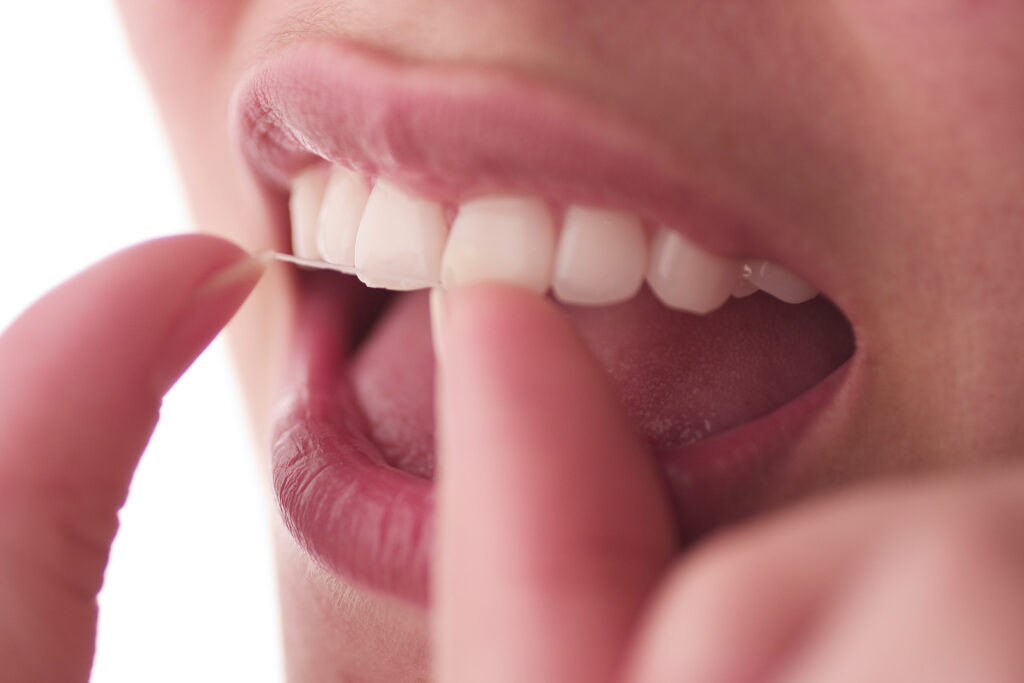
Cleaning between your teeth is just as important as brushing. These hard-to-reach areas are prime spots for plaque buildup, which can lead to cavities and gum disease if left unchecked and untreated. By incorporating interdental cleaning into your routine, you’ll ensure a healthier smile as well as fresher breath.
Why Interdental Cleaning Matters
Toothbrushes can’t reach the tight spaces between your teeth or just below the gumline. That’s where flossing and other interdental tools come in, removing food particles and plaque to protect your teeth and gums from harm.
Tools for Interdental Cleaning
- Floss: Traditional dental floss is an effective and affordable option. It comes in different varieties to suit your preferences.
- Interdental Brushes: These small, bristle-tipped tools are excellent for cleaning between teeth, especially for those with larger gaps or braces.
- Water Flossers: A high-tech solution, water flossers use a gentle stream of water to clean between teeth and along the gumline. They’re particularly useful for people with sensitive gums or difficulty using traditional floss.
Steps to Make Flossing a Daily Habit
- Start Small: If you’re new to flossing, begin with a few teeth each day and gradually increase until it’s part of your full routine.
- Set a Reminder: Floss at the same time every day, perhaps after you’ve brushed your teeth at night, to build a consistent habit.
- Make it Easy: Keep floss, interdental brushes, or a water flosser in your bathroom for easy access.
By dedicating just a few minutes each day to cleaning between your teeth, you’ll prevent plaque buildup, reduce the risk of gum disease, and enhance your overall oral health. It’s a small effort with big rewards!
Tip 3: Regular Dental Checkups and Cleanings
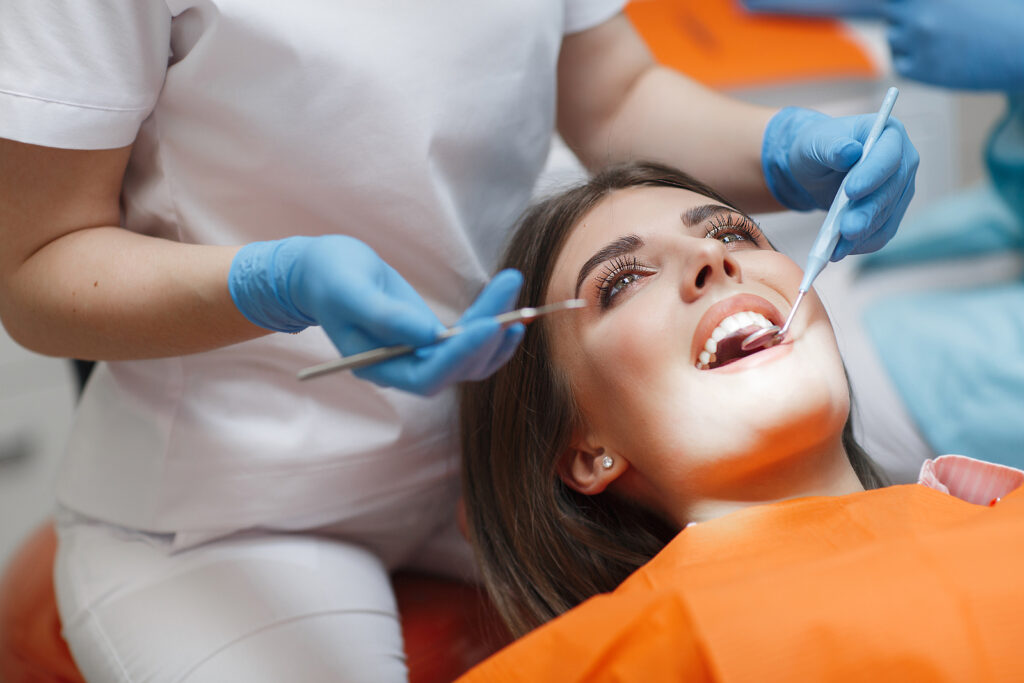
Routine dental visits are essential for maintaining excellent oral health. Professional cleanings and checkups help spot potential issues early, such as cavitites, gum disease, or oral cancer, allowing for timely treatment and prevention of more serious problems.
At St Peter’s Lodge in St Albans, our expert team offers comprehensive services, including professional cleanings to remove plaque, thorough oral health screenings, and personalised advice to enhance your at-home care routine. These appointments are not just about maintaining a bright smile – they’re key to ensuring your overall health and well-being.
For most people, scheduling a dental visit every six months is ideal. However, your dentist may recommend more frequent visits if you have specific concerns or conditions. Regular appointments are simple yet powerful way to stay ahead of potential problems and enjoy long-lasting oral health.
Tip 4: Balanced Diet and Oral Health
Your diet plays a key role in oral health. Sugary snack and drinks feed harmful bacteria that can lead to cavities and plaque buildup, while acidic foods can weaken your enamel.
Foods to Avoid:
Limit sugary treats and acidic drinks like soda and fruit juices, as they contribute to tooth decay and enamel damage.
Foods That Promote Oral Health:
- Dairy Products: Rich in calcium and phosphates, helping to strengthen enamel.
- Leafy Greens: High in vitamins and minerals for gum and enamel health.
- Crunchy Fruits and Vegetables: Apples, carrots and celery help clean teeth and stimulate saliva.
- Nuts and Seeds: Full of minerals that promote strong teeth.
Staying hydrated with water helps wash away food particles and supports a healthy mouth. By choosing the right foods and drinks, you’ll give your teeth the nutrients they need to stay strong and healthy.
Tip 5: Protective Measures
Protecting your teeth from damage is a vital part of preventative dental care. If you participate in contact sports, wearing a custom-fitted mouthguard can shield your teeth and gums from injuries. For those who grind their teeth at night, a night guard prevents enamel wear and reduces the risk of jaw pain and headaches.
These simple devices act as barriers, safeguarding your teeth from fractures, chips, and long-term damage. Speak with your dentist at St Peter’s Lodge to find the right protective solution tailored to your needs. Taking these measures ensures your smile stays healthy and intact.
Conclusion
Preventative dental care is the key to maintaining a healthy, confident smile for years to come. By brushing and flossing effectively, attending regular dental checkups, making smart dietary choices, and using protective measures, you can prevent common dental problems and enjoy long-lasting oral health.
At St Peter’s Lodge Dental Practice, we’re proud to provide expert preventative dental care in St Albans, helping our community achieve and maintain their best smiles. Whether you need routine cleaning, personalised advice, or support with a dental issue, our friendly team is here for you.
Take the first step toward a healthier smile – book your appointment with St Peter’s Lodge today! Let us help you on your journey to exceptional oral health.
You may also be interested in: dental check-up in St Albans.


