

Root Canal Treatment
Root Canal Treatment, also known as Endodontic Treatment, is a dental treatment for removing infection from inside a tooth. It can also protect the tooth from future infections.
A tooth consists of a crown and roots. The crown is mainly above the gum, while the roots are below it. The roots attach the tooth to the jawbone.
Root canal treatment is carried out in the pulp of the tooth, which is the root canal system.
A “root canal” is not a treatment, but part of a tooth. The root canal system is the hollow section of a tooth that contains the nerve tissue, blood vessels, and other cells, also known as the pulp and extends from the crown of the tooth to the end of the root. The nerves in the pulp sense hot and cold temperatures as pain. A single tooth can have more than one root canal.
The name of the dental procedure commonly referred to as a “root canal” is actually endodontic treatment, which means “inside the tooth.” However, the term “root canal” has come to be commonly used to talk about the procedure.
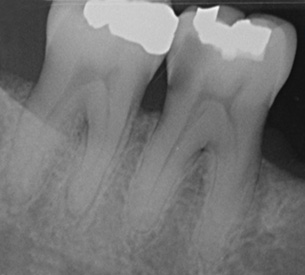

When root canal treatment is needed
If you have a deep infection or inflammation that impacts the pulp — the soft tissue inside your tooth’s root canal system — you might need a root canal treatment. This severe type of infection can occur if you have deep decay, a broken or chipped tooth, or if your tooth has already been through several dental procedures.
Trauma might also cause pulp damage, even if your tooth appears to be healthy and intact. If you don’t have the infection or inflammation treated with a root canal, you risk having an abscess and could ultimately lose the tooth.
It’s important to see your dentist if you develop toothache. If your tooth is infected, the pulp cannot heal by itself. Leaving the infected tooth in your mouth may make it worse. There may also be less chance of the root canal treatment working if the infection within your tooth becomes established.
How you might know if you need root canal
The most common complaint is severe tooth pain when you bite or chew. But you might have other symptoms as well, including:
- Facial swelling
- Extreme sensitivity to hot and cold temperatures
- Darkening of the tooth
- Swollen gums
- Tender or bleeding gums
- Recurring pimple on the gums near the tooth
- Persistent bad breath
In some cases, as the infection progresses, these symptoms often disappear as the pulp dies and the infection or inflammation is detected during a routine exam. Your tooth then appears to have healed, but the infection has in fact spread through the root canal system.
You eventually get further symptoms such as:
- pain when biting or chewing returning
- swelling of the gum near the affected tooth
- pus oozing from the affected tooth
- a swollen cheek or jaw
- the tooth becoming a darker colour

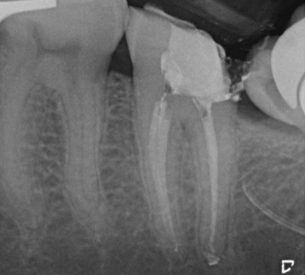
What’s involved in root canal treatment
Before having root canal treatment, you’ll usually be given a local anaesthetic. This means the procedure should be painless and no more unpleasant than having a filling.
An opening is made in the tooth, removing the nerve and the surrounding tissue, and shaping the root canals. During this procedure, the tooth is rinsed with different solutions to destroy any lingering bacteria. If the treatment isn’t done in one visit, the tooth is then filled with a temporary filling. Medication is placed inside the tooth that works between visits, and then the temporary filling is placed on top.
Usually the root canal is completed during this second visit, by filling the root canal system, unless the tooth is still infected when additional appointments may be needed.
After the root canal is finished, you’ll then need an appropriate restoration. Sometimes a simple filling is adequate, but sometimes a crown is needed. Ultimately, this tooth will function just like all of your other teeth, so you won’t even know it’s there.
The benefits of having root canal treatment over tooth extraction
Losing a tooth should always be the absolute last resort. When you have a tooth extracted other teeth may shift, causing your bite to get misaligned. Plus, you risk losing bone tissue, which can put other teeth at risk as you age.
By having a root canal and preserving the tooth, you’re more likely to have efficient and painless chewing. Preserving your tooth also keeps your smile looking natural, allows for normal speech, protects surrounding teeth from excessive wear and tear, and allows for normal biting pressure.
Most Root Canal Treatments will be carried out in 1-2 visits. Occasionally more appointments are needed if the infection hasn’t been able to be resolved.
Can I get a dental implant instead of a root canal?
Today, dentists have the ability to replace extracted teeth with titanium screws surgically drilled into the jawbone, replacing the natural tooth root. In some cases, this would be the treatment of choice and the dentist will discuss your options before treatment is commenced.
Why Choose St Peter’s Lodge for Root Canal Treatment in St Albans?
Root canal treatment has an undeserved reputation for being a difficult or painful experience. The reality with modern techniques and a skilled, caring dental team is very different. At St Peter’s Lodge, we carry out root canal treatment in St Albans with the same precision and patient focus we bring to every procedure, ensuring your comfort at every stage.
Pain-Free Root Canal Treatment as Standard One of the most common concerns patients have about root canal treatment is pain. In fact, because a local anaesthetic is administered before we begin, the procedure itself should feel no more uncomfortable than having a routine filling. Our priority is always to ensure you are completely at ease before, during, and after your treatment.
Experienced Team, Consistently High Standards Root canal treatment technically known as endodontic treatment requires precision, patience, and clinical expertise. Our experienced dentists at St Peter’s Lodge have carried out root canal procedures for patients across St Albans and Hertfordshire to consistently high standards, helping patients save teeth that might otherwise have been lost.
Saving Your Natural Tooth Wherever Possible Tooth extraction is always a last resort. Wherever clinically possible, we will recommend root canal treatment to preserve your natural tooth protecting your bite, preventing bone loss, and maintaining the appearance of your smile for years to come. A tooth saved through endodontic treatment functions exactly like any other natural tooth.
Clear, Honest Communication Throughout We understand that root canal treatment can feel daunting if you are unsure what to expect. Our team takes the time to explain every stage of the root canal procedure clearly, answer your questions honestly, and ensure you feel informed and confident about your treatment before we begin.
Prompt Treatment to Prevent the Infection Spreading When a tooth infection reaches the pulp, time matters. Leaving an infected tooth untreated allows the infection to spread through the root canal system and ultimately risks abscess formation and tooth loss. At St Peter’s Lodge, we aim to see patients promptly so treatment can begin before the infection becomes more complex to resolve.
Book Your Root Canal Treatment Consultation in St Albans Today
If you are experiencing tooth pain, sensitivity, facial swelling, or any other symptoms that suggest a tooth infection, please do not wait. Early intervention gives root canal treatment in St Albans the best possible chance of success and could mean the difference between saving and losing your tooth. Our experienced, gentle team at St Peter’s Lodge is here to help patients across St Albans and Hertfordshire.
Call us on 01727 853160, email info@stpeterslodgedentalpractice.co.uk, or book online today we will do our best to see you promptly.
Frequently asked questions:


