

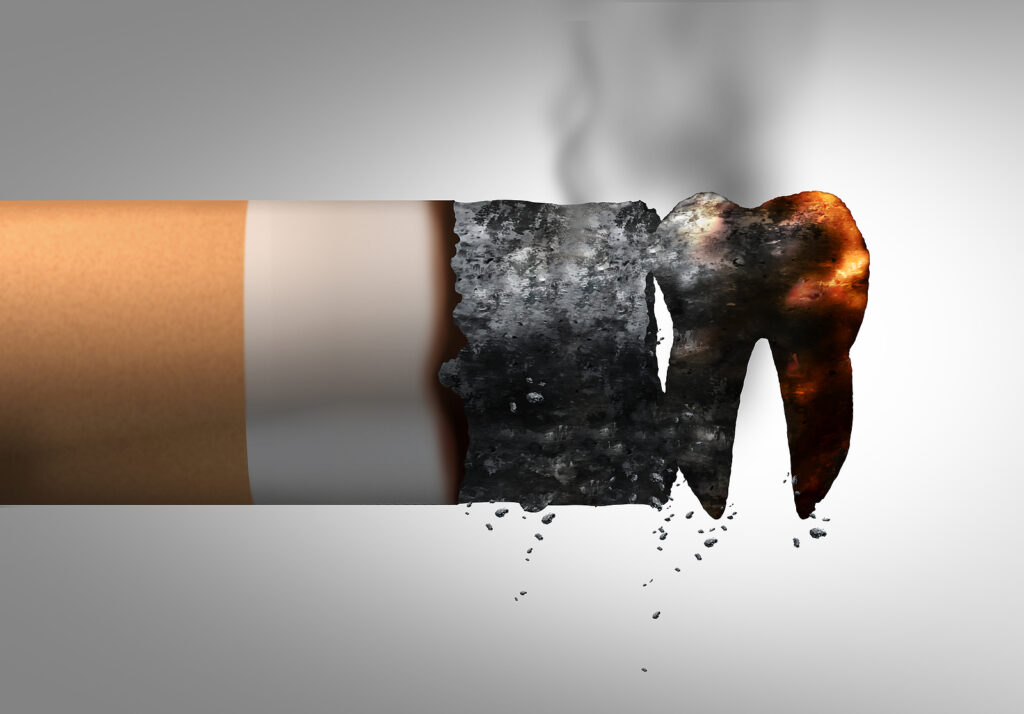
Smoking is a common habit that has well-documented risks to overall health, from lung disease to heart conditions. Its effects on your oral health are equally serious: smokers are twice as likely to develop gum disease and face an increased risk of tooth loss, bad breath and even oral cancer.
Your mouth is one of the first areas affected by smoking, as harmful chemicals directly interact with delicate oral tissues. Over time, this can lead to visible issues like stained teeth and persistent bad breath, as well as hidden dangers such as delayed healing, weakened gums, and a reduced immune response.
The good news? You can reduce these effects and regain a healthier smile with the right care and support. At St Peter’s Lodge Dental Practice, we’re here to help you understand the impacts of smoking on your oral health and provide steps to help you protect your teeth and gums.
Ready to take the first step? Keep reading to learn more about the effects of smoking on your oral health and discover practical solutions that can make a real difference.
The Impact of Smoking on Oral Health
Smoking takes a significant toll on your oral health, causing visible issues and hidden complications. Here’s how it affects your mouth:
- Discoloured Teeth and Bad Breath
Nicotine and tar stain teeth, leaving them yellow or brown, and reduced saliva flow and bacterial buildup lead to persistent bad breath (halitosis).
- Gum Disease (Periodontitis)
Smoking reduces blood flow to the gums, increasing the risk of infections, gum recession, and tooth loss. Smokers are twice as likely to develop gum disease compared to non-smokers.
- Oral Cancer Risk
Tobacco contains carcinogens that damage oral tissues, significantly raising the risk of mouth, throat, and tongue cancers, especially with long-term smoking.
- Delayed Healing
Smoking slows the healing process after dental procedures like extractions or implants. Increasing the chance of infections or complications.
- Weakened Immune Response
A compromised immune system makes it harder for your body to fight oral infections, meaning that gum disease and other conditions could be worse.
- Reduced Taste and Smell
Smoking dulls these senses over time, making it harder to detect early signs of oral health problems.
While the effects of smoking are serious, early intervention and regular dental care can help. At St Peter’s Lodge Dental Practice, we’re here to support you with tailored treatments and advice to protect your smile.
What You Can Do to Protect Your Oral Health
The effects of smoking on your oral health are significant, but there are steps you can take to protect your teeth and gums. Here’s how to get started:
- Quit Smoking
The best way to protect your oral health is to quit smoking. It’s a challenging journey, but support is available:
- Reach out to local services like NHS Stop Smoking for free advice and resources.
- Consider joining support groups or using tools like nicotine replacement therapy or quit-smoking groups.
- Visit NHS Smokefree or call their helpline for professional guidance.
Quitting smoking can dramatically improve your gum health, reduce oral cancer risks, and enhance your overall well-being.
- Schedule Regular Dental Checkups
Smokers are more prone to oral health issues, making frequent dental visits essential. Regular checkups help detect and treat problems like gum disease, oral infections, or early signs of oral cancer before they worsen.
- Improve Your Oral Hygiene
A robust oral care routine can help reduce some smoking-related damage:
- Brush your teeth twice a day with fluoride toothpaste.
- Floss daily to remove plaque between teeth.
- Use an antimicrobial mouthwash to combat bacteria and freshen your breath.
- Adopt a Healthy Lifestyle
A nutritious diet supports gum health and helps to boost your immune system. We recommend focusing on food rich in:
- Vitamin C (citrus fruits, leafy greens) for strong gums.
- Calcium (milk, cheese, yoghurt) for healthy teeth.
Alcohol consumption can increase the risks to your oral health that are associated with smoking.
- Professional Cleanings
Regular cleanings from your dentist or hygienist can:
- Remove stubborn stains caused by nicotine and tar.
- Eliminate tartar buildup that contributes to gum disease.
- Leave your teeth feeling fresher and healthier.
At St Peter’s Lodge Dental Practice, we’re here to help you maintain optimal oral health. Whether you’re ready to quit smoking or need expert care to address the effects it’s had on your health, our team is here to guide you every step of the way.
Book an appointment today, and take a step towards a healthier smile.
How St Peter’s Lodge Dental Practice Can Help
At St Peter’s Lodge Dental Practice, we understand the challenges that smokers face when it comes to their oral health. We’re here to help you maintain a healthy smile with expert care and personalised support.
Here’s how we can help:
Smoking increases the risk of gum disease and plaque buildup. Our thorough cleanings:
- Remove nicotine and tar stains for a fresher, brighter smile.
- Eliminate tartar and bacteria to protect your gums from infection.
- Include specialised care to manage gum disease and prevent further complications.
- Personalised Advice and Support
We believe in empowering our patients with the knowledge and tools they need to protect their oral health.
- Quitting Support: Our team can provide guidance on quitting smoking, including resources to help you succeed.
- Improved Oral Hygiene: We’ll recommend tailored routines and products, such as the right toothpaste and mouthwash.
- Dietary Tips: Advice on incorporating gum-friendly nutrients into your diet.
At St Peter’s Lodge Dental Practice, we’re dedicated to helping smokers take control of their oral health. Whether you’re addressing existing concerns or working towards quitting, our team is here to support you every step of the way.
Conclusion
Smoking can have a significant impact on your oral health, from discoloured teeth to more serious issues like gum disease and oral cancer. The good news is that with the right care and support, you can protect your smile as well as improve your overall health. Taking steps like quitting smoking, improving your oral hygiene habits and visiting the dentist for regular check-ups can make a big difference.
At St Peter’s Lodge Dental Practice, we’re here to help you every step of the way with personalised care and expert advice.
Take charge of your oral health today – book your appointment now and start your journey to a healthier and brighter smile.
You may also be interested in: general dentistry in St Albans.


