


Visiting a dental hygienist is like a spa day for your teeth! It’s essentially giving them a professional deep cleaning and can leave your mouth feeling refreshed and rejuvenated.
The advantages of seeing a hygienist here at St Peter’s Lodge in St Albans go far beyond a quick freshen up though – from improving gum health to personalised tips to spotting signs of something potentially more serious.
Why do I need to see a hygienist as well as a dentist?
Regular visits to the hygienist are essential for maintaining peak dental health and can work wonders in ensuring your teeth look and feel their absolute best. A clean, healthy mouth not only keeps your breath fresh but also enhances the overall appearance of your smile.
At St. Peter’s Lodge, our skilled hygienist, Christina Mountbatton, provides this care under the guidance of your dentist. They work together to create a personalized plan to achieve optimal results tailored to you.
We’ve found that many of our patients truly value the benefits of a visit, even if they already maintain a thorough and effective oral health routine at home.
Our Hygienist Jargon Buster!
We know that Dental hygienists often use specific terms that can sound like a foreign language to patients. Let’s break some of them down for you now:
Tartar (Calculus): Hardened deposits that can’t be removed by brushing alone and requires professional cleaning.
Probing: Measuring the depth of pockets around teeth to assess gum health.
Scaling: Removing plaque and tartar from teeth, especially below the gumline.
Polishing: Smoothing the surface of teeth to remove stains and make them shine.
Gingivitis: Early-stage gum disease characterized by redness, swelling, and bleeding gums.
Periodontitis: Advanced gum disease that can lead to tooth loss if untreated.
What happens at a hygienist appointment?
We’ll take a detailed look at the hygiene levels inside your mouth and provide you with personalised advice on how best to clean around any particularly difficult to get to teeth, including crowns or implants.
We will explain and demonstrate the best products and techniques to use at home such as sensitive toothpaste or interdental brushes.
Our hygienist will remove hardened plaque from your teeth which can’t be shifted by brushing alone. We’ll check your gums, measure pocket depths around teeth and can apply sealants to prevent cavities.
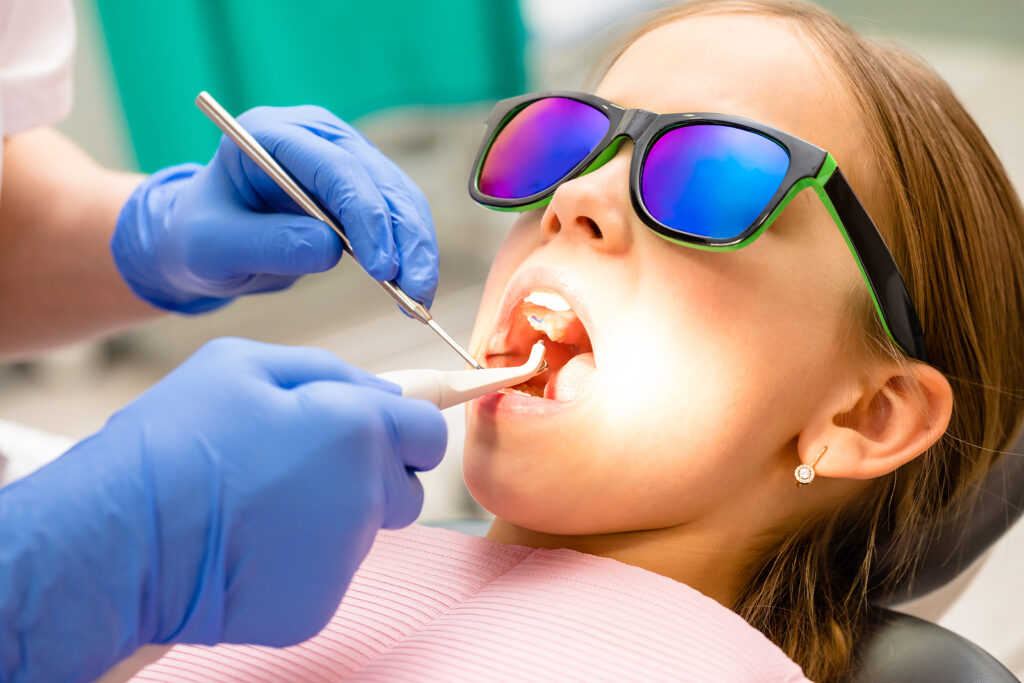
You may be given a pair of special sunglasses to wear – to help shield your eyes from bright lights and to prevent water or particles from getting into your eyes during procedures.
We usually end by polishing your teeth using a rotating soft rubber cup and a special abrasive paste, known as prophylaxis paste. This gritty, toothpaste-like substance helps remove surface stains and smooth out minor imperfections on your teeth.
Benefits of seeing a Hygienist:
Seeing a dental hygienist regularly brings a wealth of benefits for your oral health and overall well-being. Here are the key advantages:
- Preventive Care: Dental hygienists help prevent issues like cavities, gum disease, and bad breath through professional cleanings and tailored advice. At St Peter’s Lodge we can fissure-seal teeth by applying a plastic coating to the top surface – an effective way to help prevent decay.
- Thorough Cleaning: They remove plaque and tartar buildup that regular brushing and flossing might miss, ensuring your teeth stay clean and healthy.
- Improved Gum Health: The gums form the foundation that supports your teeth, so they need to be strong and healthy before any dental work can take place. Regular hygienist appointments are essential for detecting early signs of gum disease and ensuring your gums remain in optimal condition.
- Education and Advice: At St Peter’s Lodge, our hygienist will also provide tailored guidance on brushing, flossing, and other oral hygiene practices to keep your teeth in tip-top condition – we even offer children classes in how to brush their teeth!
- Spotting Problems Early: Hygienists can identify potential issues before they become more serious, saving you from discomfort and costly treatments down the line. Recent research has even suggested that gum disease can contribute towards other serious chronic illnesses such as Alzheimer’s disease, heart disease and diabetes.
- Boosted Confidence: A clean, healthy smile contributes to feeling confident and comfortable in social situations.
The St Peter’s Lodge approach to dentistry is focused on the whole of your health, not just that of your teeth. Visiting a hygienist is about much more than alleviating bad breath and even tooth decay. Preventing gum disease and detecting potential problems early can have far-reaching effects on your overall health.
To find out more and book some much needed tooth-TLC, please call us on 01727 853160 or complete our online booking form.
Dental hygienist vs dentist: what is the difference?
A dentist diagnoses and treats problems with your teeth and mouth, such as decay, broken teeth and infections, and carries out treatments like fillings, crowns and root canal treatment. A dental hygienist focuses on preventing and treating gum disease: they professionally clean your teeth, remove hardened tartar and show you how to keep your teeth and gums healthy at home.
The two work as a team. Your dentist checks your whole mouth at your examination and may recommend hygienist visits, while your hygienist spots early changes in your gums and lets the dentist know if anything needs a closer look. Both dentists and hygienists must be registered with the General Dental Council.
How often you should see the hygienist depends on your gums. Many people go every six months, while people with gum disease may need visits every three months. You can book through our hygienist appointments page.
Frequently Asked Questions
What is the difference between a dentist and a hygienist?
A dentist diagnoses and treats problems such as decay and broken teeth. A hygienist focuses on cleaning, preventing and treating gum disease, and helping you look after your teeth at home.
How often should I see a dental hygienist?
Many people go every six months. If you have gum disease, your dentist may recommend visits every three months.
Can a hygienist help with gum disease?
Yes. Hygienists remove the plaque and tartar that cause gum disease and show you how to clean effectively at home.
Does a hygienist appointment hurt?
Most people find it comfortable. If your gums are sensitive, tell your hygienist, who can adjust the cleaning or use a numbing gel.


