

Maintaining a white smile after whitening treatment takes daily effort. This educational guide explains how oral hygiene, dietary changes, and product choices can prevent stains from occuring. Even basic routines like drinking water and avoiding acidic foods can complement outcomes in the long term and lower the level of sensitivity.
In the U.S., teeth whitening is the number one dental procedure, comprising 32 percent of all dental office visits. The problem is, however, to maintain the teeth whitening results. Teeth are vulnerable immediately after teeth whitening. The enamel is also more porous, so teeth can stain more easily .
The first 48 hours are especially important. At this time, teeth are the most susceptible to staining and temperature fluctuations. Avoiding certain foods and drinks during this period can help maintain the whiteness.

Do Your Daily Habits Make a Difference After Whitening?
Teeth are not resistant to new stains even after whitening. Your daily routines, specifically your food and hygiene, will decide how long your results last. Beverages like coffee, tea, and red wine are known to stain. Pigmented foods can also fade your smile.
That’s why brushing and flossing reduce the chance of these stains sticking. Water is also beneficial for rinsing the mouth between meals. Following an educational routine for aftercare ensures long-term results and helps avoid repeat treatments too soon.
In 2021, toothpaste that whitens teeth had the largest market share, making up 33% of dental care products sold. This indicates the number of individuals who use at-home care to maintain their smile after treatment.
Simple Ways to Protect Your Bright Smile

- Adjust your diet
Restrict stain-inducing food and drinks. Use a straw when drinking dark drinks to limit contact with the teeth. Select light coloured vegetables and fruits. Consume dairy to make enamel stronger.
- Maintain hydration levels
Consume water throughout the day. Water helps remove leftover food particles and acids that can damage enamel.
- Quit tobacco
Tobacco products cause deep stains. Tar and nicotine settle into the enamel and dull your smile over time. Avoiding tobacco benefits both oral and general health.
- Use the right products
Choose a whitening toothpaste with gentle abrasives. Avoid alcohol-based mouthwashes. Use soft-bristled brushes to prevent enamel damage. Floss daily to clean areas between teeth where stains form.
- Regular dental visits
Undergo regular check-ups at least two times annually. Professional cleaning eliminates deposits and addresses initial discolouration symptoms. Your dentist will be able to propose any touch-up solutions or advice for your teeth.
Extra Tips for Lasting Results
Avoid extremely hot or cold foods for a few days. In case of discomfort, you can use an anti-sensitivity toothpaste. Avoid acidic foods such as citrus and vinegar, which can erode enamel and promote staining.
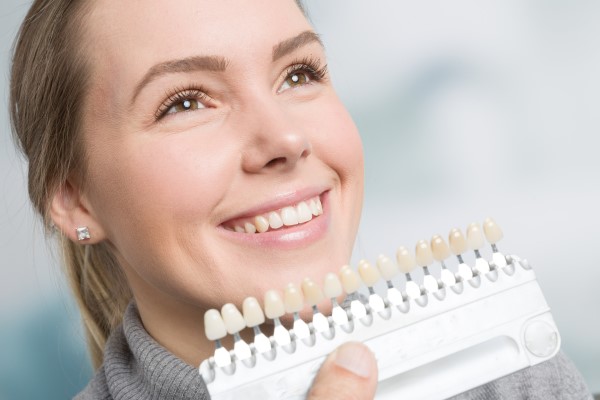
A gentle, educational approach helps reduce damage and maximise results. Clean your tongue, chew sugar-free gum and rinse your mouth when there is no time to brush. These are easy habits which aid in a healthier mouth and brighter smile.
Conclusion
Tooth colour can be influenced by sleep routines, hormones and even drug side effects. As an example, some antihistamines and antibiotics can cause enamel to darken with time. Habits caused by stress, such as teeth grinding or neglecting oral-care procedures, also impact the success of the whitening procedure.
Maintaining teeth whitening results requires awareness of more than just surface-level care. Recognise the hidden influences and make lifestyle adjustments when needed. Contact St Peter’s Lodge Dental to schedule your next dental clean and keep your smile looking its best with Teeth Whitening in St Albans: Your Questions Answered.


