

If your teeth have been aching, feeling crowded, or just not sitting quite right, you are not alone. A lot of people in St Albans are dealing with discomfort that comes from misaligned teeth without even realising it.
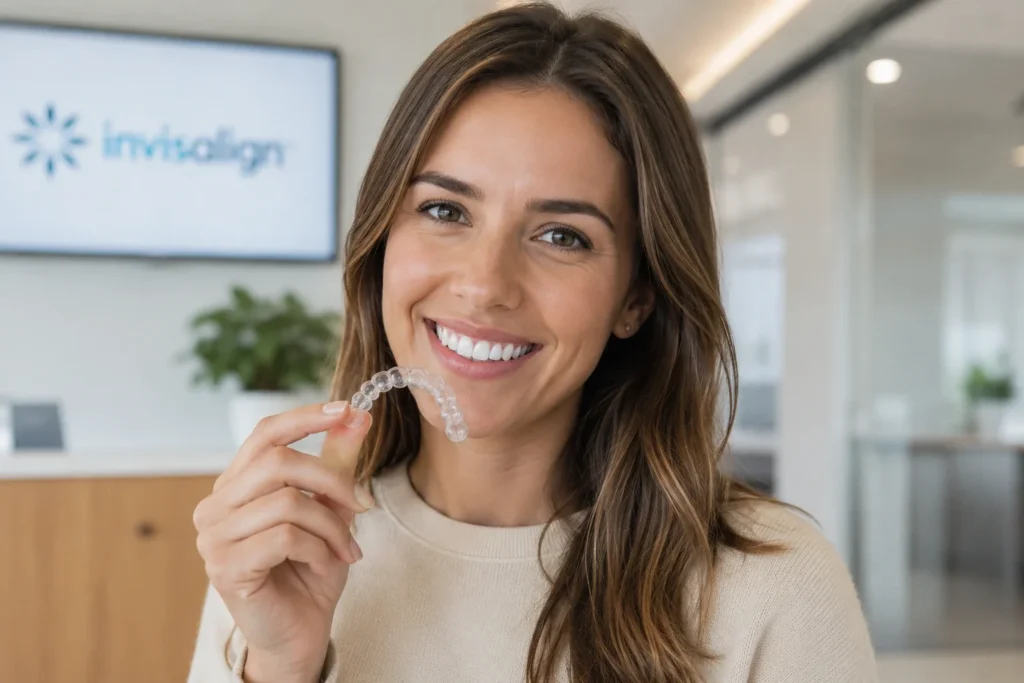
That is where Invisalign in St Albans comes into the picture. But it’s not just about getting a straighter smile. In many cases, it can actually help reduce the pain and pressure you feel daily.
So, is it the right choice for you? Let’s break it down in simple terms.
Table of Contents
What Is Invisalign and How Does It Work?
Invisalign is a modern way to straighten teeth using clear, removable aligners instead of traditional metal braces.
These aligners are custom-made to fit your teeth and gently move them into the right position over time.
Here is how it usually works:
- You get a 3D scan of your teeth
- A series of aligners are created just for you
- You wear each set for about 1 to 2 weeks
- Your teeth gradually shift into place
The best part? They are nearly invisible, so most people will not even notice you are wearing them.
Why Misaligned Teeth Can Cause Pain
A lot of patients come in complaining about tooth pain, but the real issue is not always cavities or sensitivity.
Often, it is alignment.
When your teeth are not properly aligned, it can lead to:
- Uneven pressure when biting
- Jaw strain or tightness
- Teeth grinding, especially at night
- Food getting stuck in awkward places
Over time, this can cause constant discomfort. Some people even get headaches or jaw pain without knowing the cause.
This is where Invisalign can make a real difference.
Can Invisalign Actually Help with Tooth Pain?
Short answer. Yes, in many cases.
If your pain is linked to crowding, gaps, or bite issues, Invisalign helps by correcting the root problem rather than just masking the symptoms.
From experience, patients often notice:
- Less pressure when chewing
- Reduced jaw tension
- Fewer food traps between teeth
- Improved overall comfort
That said, it is not a magic fix for all types of pain. If the issue is due to decay or gum disease, you will need treatment for that first.
A proper consultation with a dentist in St Albans is always the first step.
Who Is Invisalign Best Suited For?
Not everyone needs Invisalign, but it is a great option if you:
- Have mild to moderate misalignment
- Feel discomfort while biting or chewing
- Want a discreet alternative to braces
- Are committed to wearing aligners 20 to 22 hours a day
It works well for both adults and teens, especially those who want more subtle treatment.
However, for severe alignment issues, traditional braces might still be recommended.
What to Expect During Treatment
Let’s be real for a second. Invisalign is comfortable, but it is not completely pain-free.
When you switch to a new set of aligners, you might feel slight pressure for a day or two. That is actually a good sign. It means your teeth are moving.
Here is what most patients experience:
- Mild discomfort at the start of each new aligner
- A change in the way you may speak for the first few days
- Regular check-ups every 6 to 8 weeks
The good news is that it is far more manageable compared to metal braces.
And because the aligners are removable, you can eat whatever you like. Just remember to brush and then put them back in.
Invisalign vs Braces: Which One Is Better?
This is a common question, and the answer depends on your situation.
Here is a quick comparison:
Invisalign:
- Nearly invisible
- Removable
- More comfortable
- Requires discipline
Braces:
- Fixed on teeth
- More noticeable
- Better for complex cases
- Less responsibility on the patient
If your main concern is comfort, appearance, and mild pain caused by alignment, Invisalign is often the preferred option in St Albans.
Real Talk: Is Invisalign Worth It?
In my opinion, yes, if your pain is linked to alignment issues.
A lot of people ignore minor discomfort for years, thinking it is normal. It is not.
Fixing the alignment early can save you from bigger problems later, like worn-down teeth or jaw disorders.
Also, let’s not pretend aesthetics do not matter. Feeling confident with your smile is a big bonus.
Important Considerations Before Starting Invisalign
Before committing to Invisalign treatment , it is worth understanding what the treatment cannot do. While Invisalign excels at correcting mild to moderate alignment issues, very severe malocclusions or significant jaw problems may still require traditional orthodontic methods.
At St Peters Lodge, our initial consultation includes a thorough clinical assessment, advanced 3D digital scanning and an honest discussion about whether Invisalign is the best choice for your specific situation. Our goal is to provide clear, evidence-based recommendations so you can make an informed decision about your smile.
Once your Invisalign treatment is complete, maintaining your results is just as important. Your dentist will provide a customised retainer to help prevent teeth from gradually shifting back — a natural process known as relapse. Retainers are typically worn nightly on a long-term basis to protect your new smile.
We also recommend discussing aftercare options, retention plans and any associated costs before starting treatment, ensuring you have a complete understanding of your Invisalign journey from consultation through to long-term maintenance.
Ready to Explore Invisalign?
Invisalign could be the solution to your tooth alignment concerns and confidence goals. Book your consultation at St Peters Lodge today. No pressure. Just clear, honest advice from an experienced dental team.
Common Invisalign Questions Answered
Learn more about Invisalign treatment, jaw pain relief, costs and retainers at St Peters Lodge Dental Practice.
Can Invisalign help relieve jaw pain or teeth grinding?
Yes. Misaligned teeth can create uneven bite pressure, leading to jaw tension, TMJ discomfort and bruxism. By improving tooth alignment, Invisalign may help reduce these symptoms. For severe grinding, a separate night guard may also be recommended.
How much does Invisalign cost in St Albans?
The cost varies depending on the complexity of your case and the type of treatment required, including Invisalign Full, Lite or Teen. We provide a transparent personalised quote during your free consultation along with flexible payment options.
Will I need a retainer after Invisalign?
Yes. A retainer is an essential part of maintaining your results after treatment. Teeth naturally tend to shift over time and wearing a retainer nightly helps keep your new smile in position. Your dentist will discuss retention options as part of your treatment plan.


